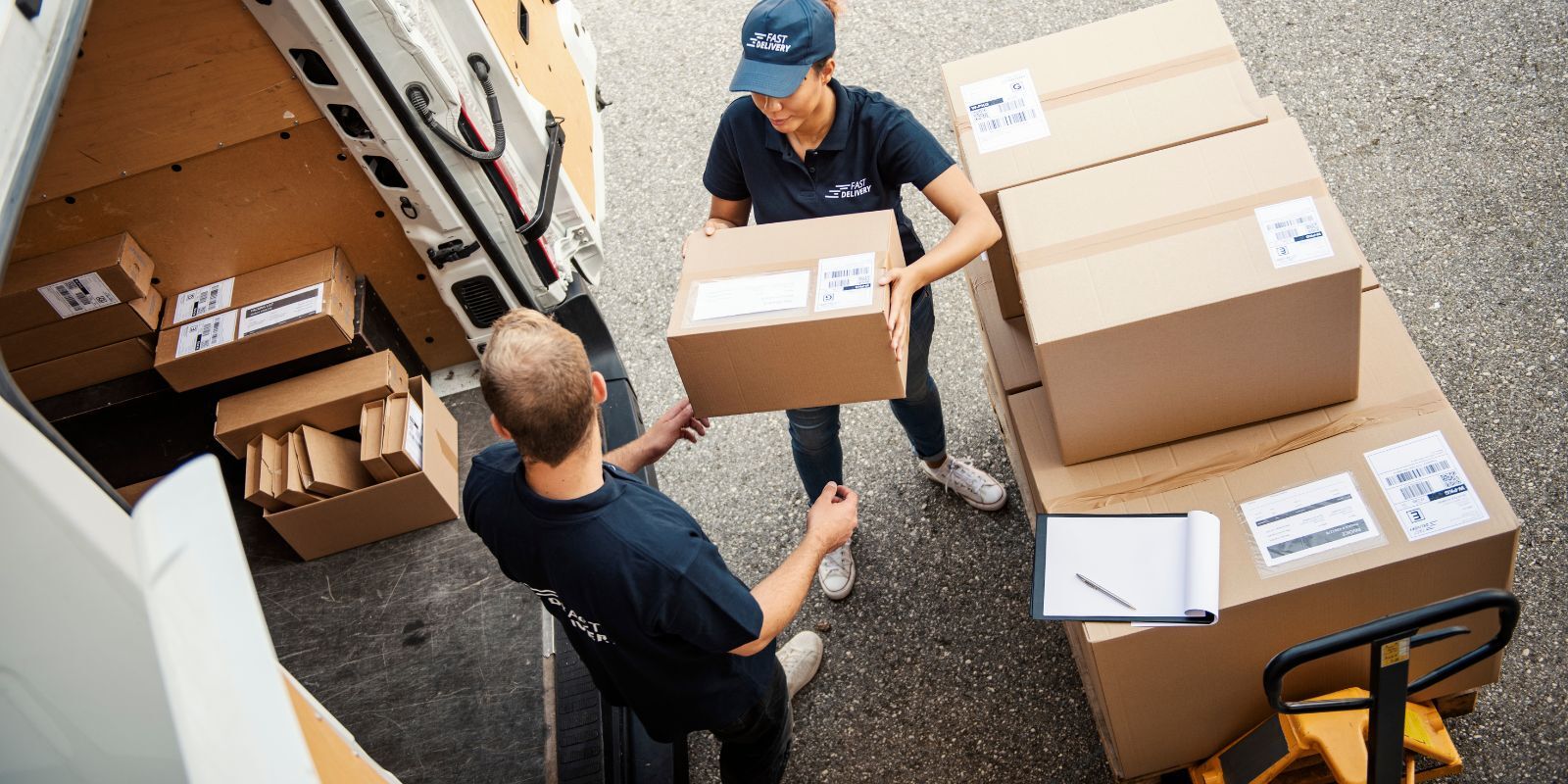

In the distribution of fast-moving consumer goods (FMCG), logistical control does not end when the product is delivered to the customer. For companies operating in Mexico, Colombia, Chile, and Peru, the final stretch of the day is one of the most vulnerable. Hundreds of drivers return to distribution centers with paper worksheets, cash collected from traditional channels (mom-and-pop stores), and multiple physical payment slips.
This return without prior digital validation turns the settlement process (the accountability workflow where the driver reconciles delivered orders, rejections, and payments received) into a bottleneck. Manual reconciliation not only fosters human error and loss of visibility but also delays cash flow. In a sector where profit margins are thin, efficiency in financial logistics KPIs is just as crucial as route optimization.
Executive SummaryDistribution logistics in the consumer goods (FMCG) sector in Latin America (especially in highly dynamic markets like Mexico, Colombia, Chile, and Peru) faces a critical challenge at the end of the route: driver cash reconciliation. The lack of automation in the collection and settlement process generates costly operational errors, financial discrepancies, and time losses that directly affect profitability. The solution lies in the digitalization and integration of last-mile technologies that automate these workflows before carriers return to the distribution center (DC). |
Why Do Errors Occur in FMCG Cash Collections and Settlements?
Order delivery in the traditional FMCG channel in LATAM is characterized by high transaction volumes with diverse payment methods (cash, checks, bank transfers, or direct credit). When the management of these transactions relies on the carrier's manual records, three main problems arise:
- Inconsistencies between delivered and collected amounts: Partial deliveries and in-route rejections immediately alter the amounts the driver must collect, complicating the final reconciliation if they are not recalculated automatically.
- Delayed and loss-prone settlement processes: Manually reconciling carrier worksheets at the end of the day can take hours, increasing the risk of losing physical payment receipts or cash.
- Disconnection from the corporate ERP: The lack of real-time synchronization with the company's enterprise resource planning (ERP) system prevents the finance department from having immediate visibility into daily revenues.
According to a study by McKinsey on logistics optimization, companies that digitalize and automate their delivery processes achieve significant cost reductions and increase the reliability of their commercial operations.
Financial Automation Before Returning to the Distribution Center
To mitigate these inefficiencies, the trend in modern FMCG distribution logistics is to decentralize the settlement process. This means that the driver's cash reconciliation and accountability are carried out digitally on the route, before stepping into the distribution center.
By using TMS software (transportation management system that centralizes logistics planning and execution) equipped with a mobile app for carriers, the driver records collections (cash, checks, or vouchers) as deliveries are completed at the point of sale. The system calculates real-time collections per customer and order, notifying the yard supervisor and the finance team of the exact amounts the vehicle will return to the DC with.
Benefit Matrix: Manual Settlement vs. Automated Settlement
|
Operational Indicator |
Traditional Manual Process |
Automated Process (Descartes + Drivin TMS)
|
|---|---|---|
|
Settlement Time |
Slow and delayed (1 to 2 hours per carrier at the end of the day) |
Reduces settlement time by up to 60% thanks to digital in-route pre-reconciliation. |
|
Cash Discrepancy Margin |
High, due to manual counting of paper sheets and cash |
Minimal, with automatic mathematical calculations based on actual delivery execution. |
|
Collection Visibility |
None until the truck physically returns to the warehouse |
Total and in real-time through a live Control Tower. |
|
Data Integration |
Delayed manual entry into the company's ERP |
Direct information flow via APIs to integrated systems (ERP/WMS). |
Success Stories in Fast-Moving Consumer Goods: Operating with Precision in LATAM
The adoption of specialized technology to strengthen the FMCG value chain is already yielding tangible results in the region. Sector giants operating with complex fleets have successfully standardized and secured their settlements through intelligent software integrations.
For example, at leading FMCG food companies like Bimbo, the implementation of last-mile technology enabled the transition from manual procedures and phone-based reports to real-time data access, asset control, route optimization, and sales authentication times.
On the other hand, Nestlé's operations in countries such as Chile and Peru have successfully implemented the regional collection and payment control module. This has allowed them to set up a Control Tower to manage operations in real-time, integrating their data directly with SAP to ensure frictionless end-to-end financial and logistical control.
Managing distribution logistics in fast-moving consumer goods without collection errors requires moving away from printed worksheets and reactive reconciliation. In-route financial automation protects company revenues, professionalizes the carrier's job, and optimizes internal logistics KPIs.
Want to eliminate cash discrepancies and speed up your carriers' settlements? At Descartes + Drivin, we have a team of specialists ready to help you transform your logistics operations.
👉 Talk to one of our Specialists today and take the step toward smart logistics: