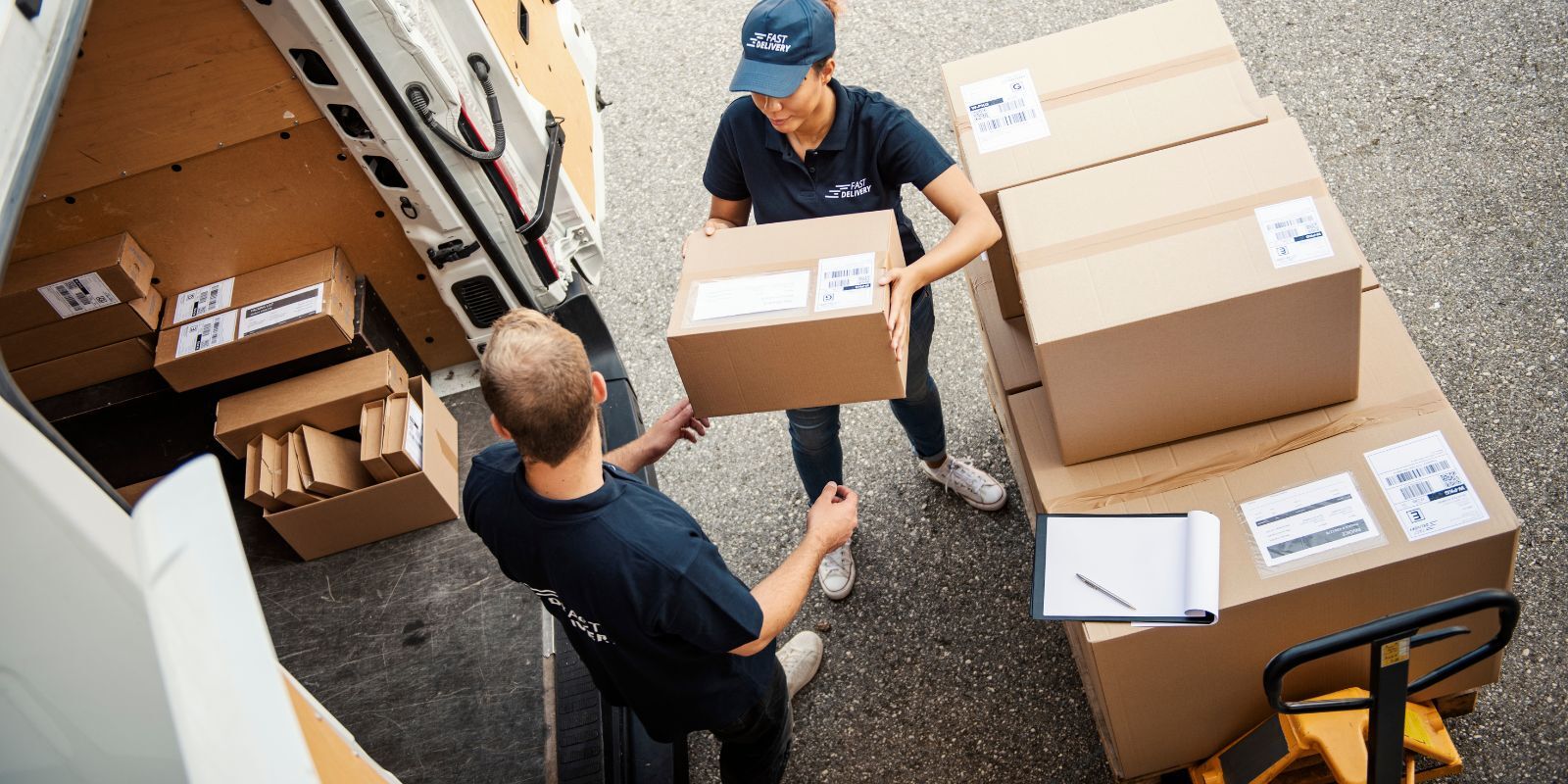
In urban food distribution for Hotels, Restaurants, and Cafeterias (HORECA) sector, managing the delivery of perishable and frozen supplies represents a constant challenge for third-party logistics providers that manage supply chain operations for other companies (OPLs and 3PLs ).
The proliferation of micro-orders and the demand for strict delivery windows can threaten operating margins. Adopting dynamic planning and real-time visibility helps companies transform this scenario, supporting compliance with Service Level Agreements (SLAs) and optimizing fleet performance in the field.
Optimizing HORECA Food Distribution for 3PL Operators
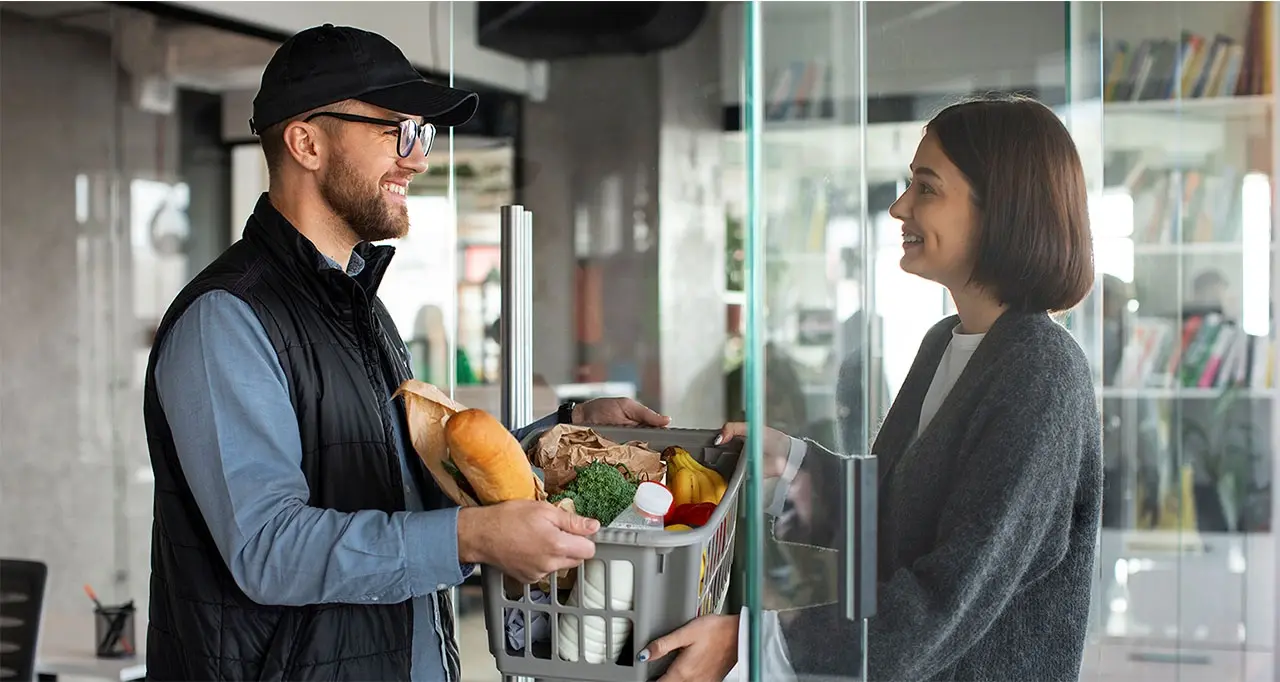
In today's B2B environment across Latin America, food and frozen goods logistics face constant pressure due to the rise of Q-commerce (quick commerce focused on deliveries within minimal timeframes). Industrial kitchens, hotels, and mass catering chains operate under Just-in-Time models, demanding that their 3PL logistics providers deliver continuous micro-orders (small, high-frequency orders for critical restocking) within tight timeframes prior to peak preparation hours.
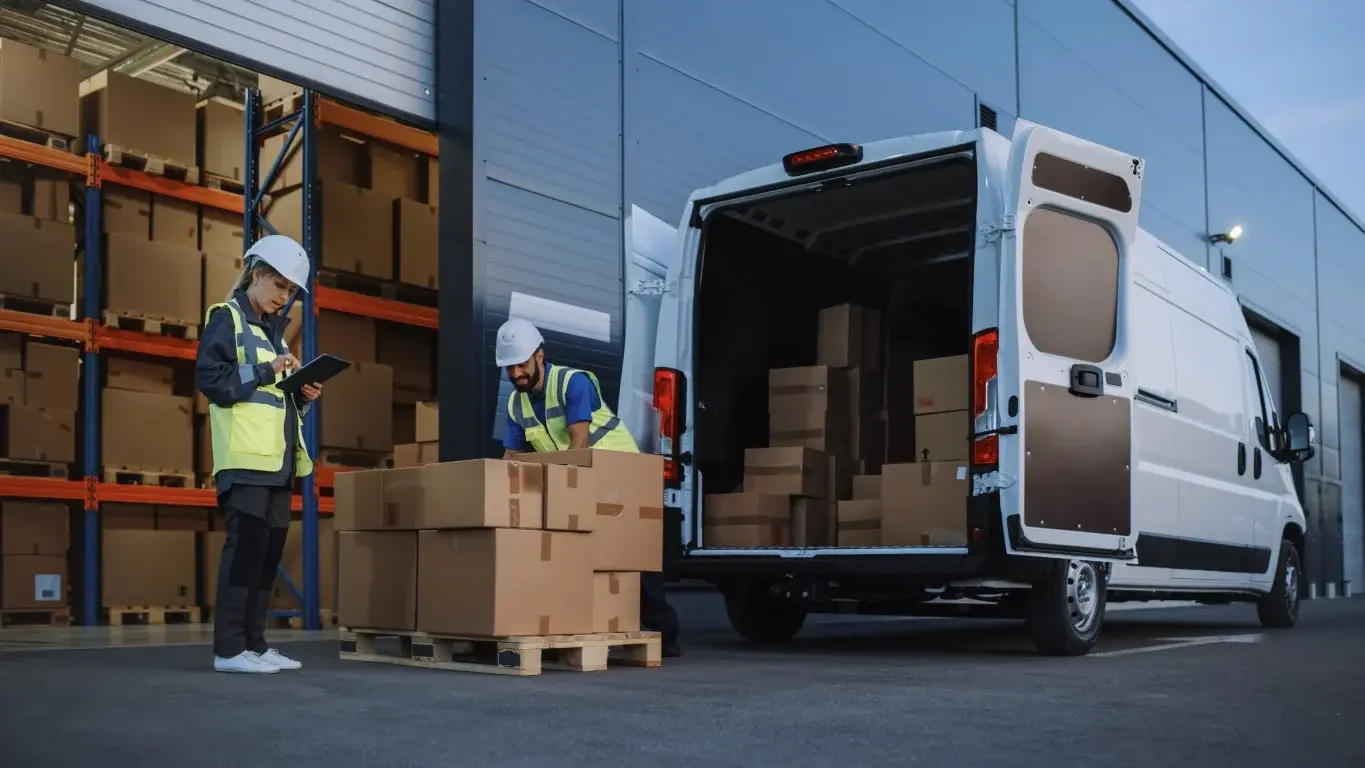
For a logistics operator managing multiple clients and foodservice accounts on the same road network, manual route planning makes it challenging to balance vehicle capacity with demanding service commitments. Without the right tools, the risk of running low-occupancy trips, experiencing unloading bay delays, and facing rejections of temperature-controlled products increases in the field.
Operational Matrix: HORECA Challenges in 3PL / OPL Operations
|
HORECA / 3PL Operational Challenge
|
Impact on Operations & SLA
|
Dynamic Routing Approach
|
|
Strict Time Windows |
Commercial penalties, product rejections, and long dock wait times. |
Algorithms that calculate routes while respecting each delivery point's constraints. |
|
Cargo Fragmentation |
Inefficient routes that raise the cost per stop. |
Multi-level order consolidation that optimizes vehicle space and capacity. |
|
Cold Chain Products |
Risk of perishable product waste due to unforeseen route delays. |
Real-time monitoring and visibility through GPS and telemetry integrations. |
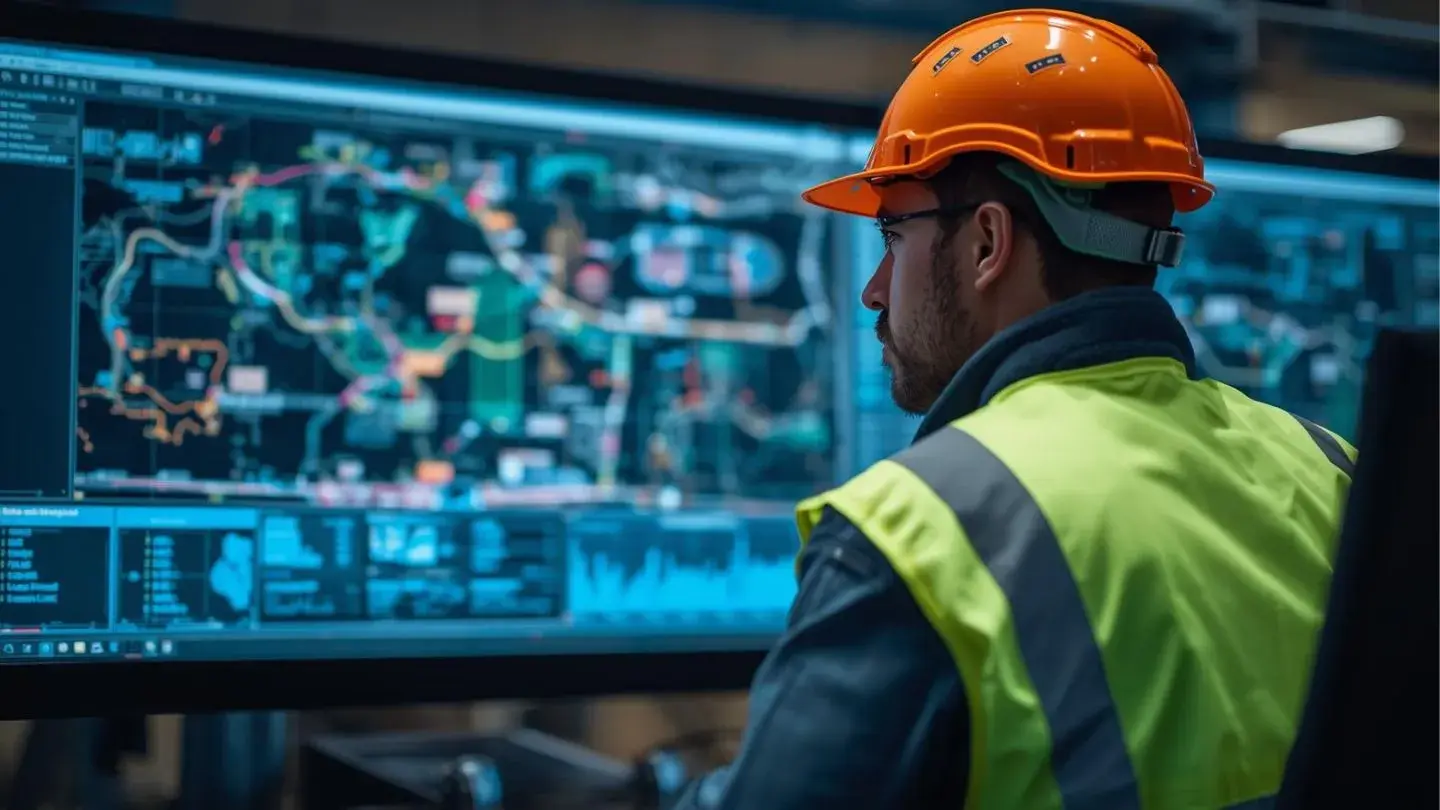
For a 3PL operator, protecting profitability requires proper delivery consolidation in urban food distribution. Specialized technology platforms process complex variables such as vehicle type (refrigerated or frozen), address geocoding in congested urban centers, and client-specific commercial priorities in minutes.
Technology acts as a key support tool enabling operations teams to reach their full potential. As an example of digital transformation in the food sector in Chile and across the region, the Delibest success story published on Descartes + Drivin illustrates how a large-scale operation—serving the school feeding program from Arica to Punta Arenas with 14 warehouses, 2 distribution centers, and 50 vehicles on the road—transitioned from manual logistics to fully digitized processes:
"Drivin provides us with the information we were looking for from the very beginning. The ability to access real-time data has allowed the company to significantly improve its operational management, optimizing routes and enabling us to act in a timely manner when delivery issues arise." — Jaime Sepúlveda, Descartes + Drivin Implementation Lead at Delibest.
Additionally, major food distribution and foodservice enterprise companies across Latin America, such as Nestlé and Bimbo, trust these solutions to supervise field execution, supporting the management of hundreds of vehicles daily and facilitating improvements in punctuality and operational control.
Evolving from reactive logistics management to a dynamic, fully visible model helps companies overcome these challenges and protect operational margins. Instead of reacting to unexpected events on urban routes, equip your team with the tools needed to make strategic decisions.
To meet the demands of micro-orders in fast-moving channels, Descartes + Drivin help companies structure distribution using specialized modules that process multiple operational constraints simultaneously. Through advanced planning algorithms and dynamic routing, the platform consolidates low-volume, high-frequency orders into optimal delivery sequences. This enables 3PL logistics operators to respect the delivery windows of commercial kitchens and hotels without compromising vehicle fill rates or increasing cost per delivery point, facilitating a reduction of up to 30% in transportation costs and providing real-time cold chain traceability.
Ready to take the next step? Speak with a Descartes + Drivin specialist by leaving your details here: