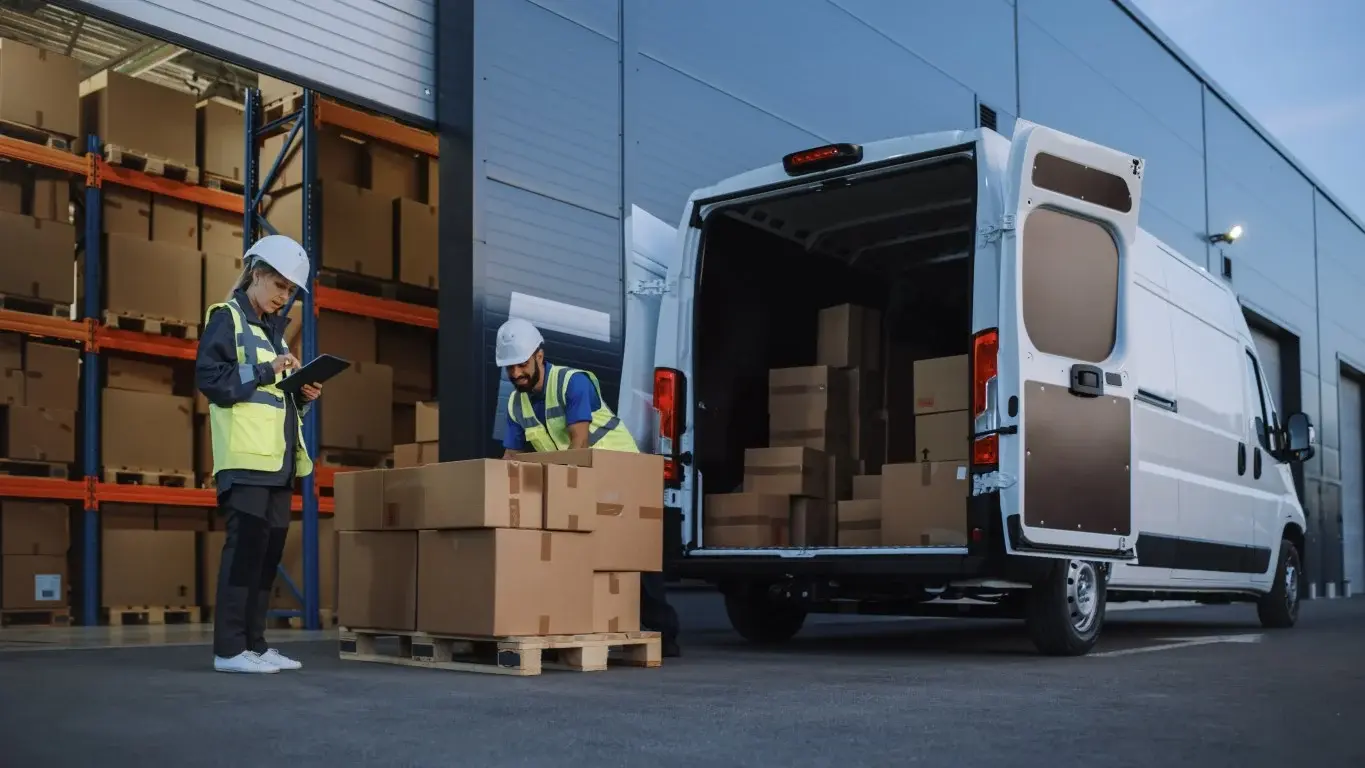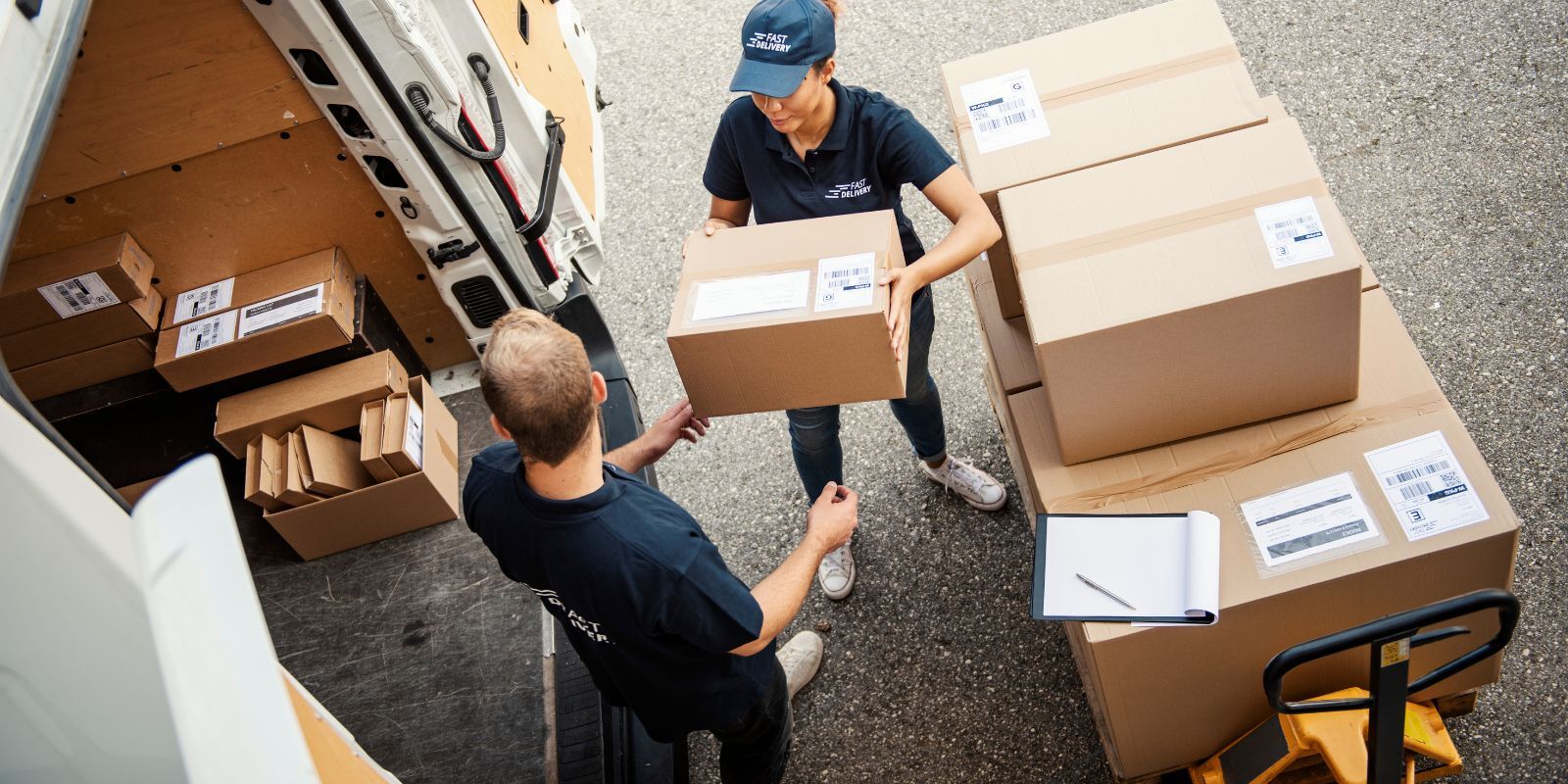
Scheduling bulk deliveries for logistics service providers involves coordinating multiple orders, vehicles, delivery time windows, and service commitments without losing control of what is happening in the field.
Automation connects scheduling with execution, enables real-time delivery monitoring, and helps manage incidents to maintain an efficient operation and consistent service levels.
The Challenge of Bulk Deliveries for Logistics Service Providers
A logistics operator may handle hundreds or thousands of orders in a single day, with different customers, priorities, delivery time windows, vehicle capacities, and service requirements. It is also common to coordinate owned and outsourced fleets while responding to last-minute changes.
The main problems arise when scheduling depends on manual processes or scattered information:
- Limited visibility into the location and status of each delivery.
- Missed delivery time windows due to inefficient route sequences.
- Higher costs from unnecessary miles, idle time, or poor fleet utilization.
- Difficulty reallocating resources when an incident occurs.
- Delayed communication with customers when deliveries are delayed or changed.
For this reason, a high-volume operation needs more than a map or a navigation app: it needs a solution capable of automating scheduling, executing the plan, providing traceability, and helping the team manage exceptions.
How to Schedule Bulk Deliveries Without Losing Control
Bulk scheduling delivery should be understood as a connected process: it starts with operational data and constraints, continues with route generation and assignment, moves into execution, and ends with monitoring, exception management, and analysis. Automating this workflow makes it possible to scale volume without proportionally increasing manual work.
1. Automate Order Loading and Constraints
Before generating routes, the system must process the information that shapes the day’s operation: addresses, delivery time windows, priorities, service times, vehicle capacity, driver availability, and operational constraints.
Automating this process makes it possible to process multiple orders and resources simultaneously, avoiding manual calculations and reducing the risk of data-entry errors, incorrect assignments, or inefficient sequences.For logistics service providers, this capability is especially relevant when the operation changes daily or serves different customers with different rules.
2. Optimize and Assign Routes
Once orders have been loaded, the next step is to generate a schedule that simultaneously considers location, delivery time windows, load capacity, service times, priorities, and other constraints. The main objective is to build a viable operation that makes better use of resources and meets delivery commitments, going beyond simply finding the shortest route.
With Descartes + Drivin, route planning can be connected with execution and monitoring through the same TMS solution (Transportation Management System), preventing the plan from becoming disconnected from what is actually happening in the field.
3. Execute Deliveries with Real-Time Traceability
Planning correctly is only the beginning. Once vehicles are on the road, the operations team needs to know what is happening with each delivery and identify deviations before they become service failures.
Real-time logistics traceability makes it possible to monitor vehicles, routes, and delivery statuses. It also helps identify delays, deviations, failed deliveries, and other events that require intervention. Digital delivery confirmation, through ePOD or proof of delivery, provides evidence of what happened and improves subsequent analysis.
Complete real-time visibility into distribution makes it possible to integrate this information and provide the data needed to make decisions during execution.
4. Control the Operation with a Control Tower and Dynamic ETA
As delivery volume increases, the team needs to prioritize where to intervene. A Control Tower centralizes route statuses, KPIs, alerts, and incidents so the team can focus on cases with the greatest operational risk.
Dynamic ETA helps estimate arrival times based on the information available throughout the journey. By automating updates and notifications, customers can receive information about their delivery status without having to contact the operator to find out where their order is.
This proactive communication also helps reduce questions about delivery status. Traceability and proactive communication help keep customers informed and reduce the operational workload associated with these requests.
What Should Logistics Service Providers Consider Before Scheduling Bulk Deliveries?
To plan routes efficiently, it is necessary to have quality data and correctly define the rules that shape the operation. Before loading a distribution day, it is advisable to validate at least the following:
- Orders and addresses: complete, up-to-date, and georeferenced information.
- Delivery time windows: committed schedules and customer-specific service restrictions.
- Priorities: critical orders, urgent deliveries, or commitments with specific SLAs.
- Service times: estimated loading, unloading, and service time at each stop.
- Fleet: availability, capacity, vehicle type, and operational restrictions.
- Drivers: availability, working hours, and assignment rules.
- KPIs: metrics for comparing what was scheduled with what was executed.
In high-volume operations, small decisions can multiply across hundreds of deliveries. Properly grouping orders, assigning the right vehicle, and avoiding unnecessary travel can affect miles driven, operating time, fleet utilization, and service performance.
It is also advisable to define KPIs before the day begins. Delivery time, compliance with delivery windows, fleet utilization, miles driven, completed deliveries, and OTIF allow teams to compare the plan with execution and identify opportunities for improvement.
A navigation app can guide the driver during a trip, but it does not replace a TMS such as Descartes + Drivin, which enables integrated management of transportation planning, execution, traceability, and control.
The difference is having an end-to-end view of the operation: managing multiple vehicles and deliveries, connecting driver information with the operations team, and visualizing the progress of the day to make timely decisions.
How to Maintain Control in a High-Volume Operation
One of the main benefits of automating bulk delivery scheduling is having the information needed to maintain control throughout the day. If a vehicle is delayed, a delivery cannot be completed, or a route changes due to an external condition, the team can quickly identify what is happening and act before it affects other customers or service commitments.
In a high-volume operation, efficient routes at the beginning of the day are only one part of the process. Automation makes it possible to process orders and resources at scale, while monitoring during execution helps detect deviations, manage exceptions, and adjust the operation when necessary.
This continuity between scheduling, monitoring, and analysis is especially relevant for logistics service providers, where an incident on one route can affect multiple deliveries. When the team knows the status of each service and its ETA, it can anticipate a question, communicate a change, or reallocate resources.
Technology does not replace operational management: it automates repetitive tasks and provides information so the team can make faster, more accurate decisions.
Success Story: Technology for Managing Large-Scale Operations
Bimbo Colombia is an example of how digitalization can transform a large-scale distribution operation. The company has more than 500 vehicles for store-to-store distribution and, before implementing Descartes + Drivin, much of the operation was managed manually, with limited information about vehicle locations and order traceability.
With Descartes + Drivin, Bimbo Colombia gained real-time visibility into its last-mile fleet, delivery tracking, and more optimized dispatch route planning. The case shows how connecting planning, traceability, and execution can move an operation from reactive management toward greater operational control.
Key Considerations When Choosing the Best Route Planning App
When a company is looking for a tool to manage routes, it is important to distinguish a basic navigation app from a solution designed to manage transportation operations. For logistics service providers, the tool should cover not only the route itself, but also planning, execution, traceability, and exception management.
| Key funcionality | Impact on the Logistics Operation |
| Multi-platform compatibility (iOS / Android) | Integrates owned or outsourced fleets and facilitates driver workflows from mobile devices. |
| Planning and optimization | Processes multiple orders, constraints, and vehicles to generate efficient, viable routes. |
| Real-time traceability | Provides visibility into vehicle, route, and delivery status during execution. |
| Dynamic ETA | Helps estimate arrival times and communicate changes throughout the journey. |
| Digital Proof of Delivery (POD) | Provides digital, traceable evidence of execution, such as photos, signatures, or delivery records. |
| ERP/WMS/API integrations | Connects orders and operational data with other systems in the logistics ecosystem. |
| Incident management | Helps identify deviations and act before they affect service levels. |
| Control Tower | Centralizes KPIs, alerts, and statuses to prioritize decisions throughout the day. |
Descartes + Drivin integrates these capabilities to manage transportation operations end to end. From route planning and optimization to real-time monitoring, incident management, proof of delivery, and ETA communication, it enables logistics teams to centralize information and maintain control throughout execution.
Why Is a TMS More Comprehensive Than a GPS or Route Planner?
A GPS provides a vehicle’s location, while a planning tool helps build routes. A TMS connects planning, execution, traceability, and exception management within a single operational workflow.
If you are evaluating which technology your operation needs, you can compare the differences between TMS, GPS, route planners, and route optimizers before choosing a solution.
Optimize Your Logistics Operation
Scheduling bulk deliveries becomes more complex as the number of orders, vehicles, and operational requirements increases. For this reason, scalability depends on connecting scheduling, execution, and control within a single flow of information.
With Descartes + Drivin, logistics operators can automate planning, monitor operations, manage exceptions, and maintain delivery traceability.